Amanda Struby, Armed Forces Covenant Team Leader and Deputy Head of Armed Forces People Support, Ministry of Defence
Amanda Struby, Armed Forces Covenant Team Leader and Deputy Head of Armed Forces People Support, Ministry of Defence reflects on how the fund has helped to take the Covenant promise into tangible action –
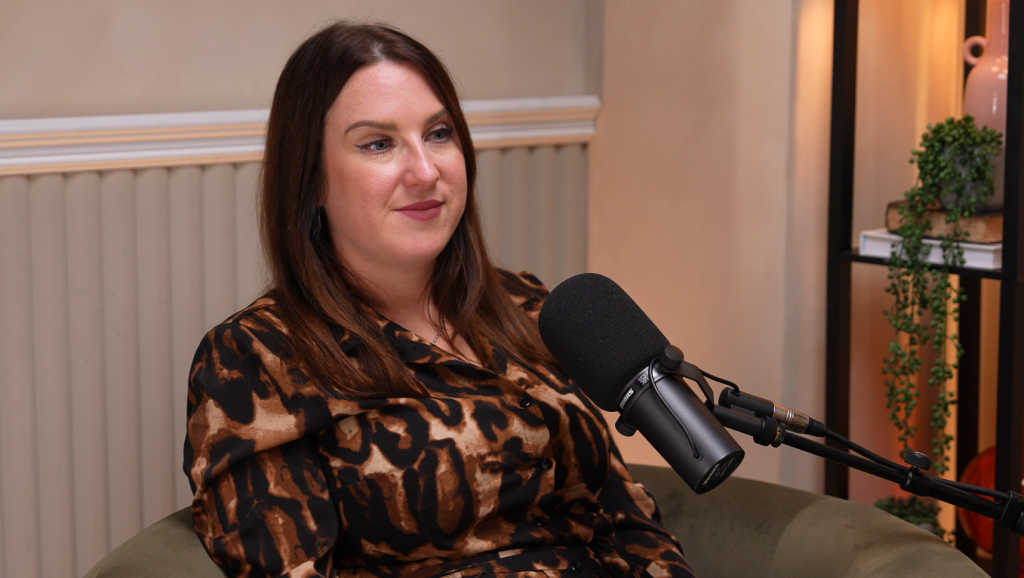
Highlights from Amanda’s interview with Anna Wright, our CEO, reflecting on the Covenant Fund’s first decade of work. Watch the full interview here
What would you say is the Covenant Fund’s biggest achievement?
The fund has a lot of strengths – but for me, the biggest thing is its agility. It’s worked hand in glove with government in times of crisis and on things that are really important, when we need to get money out quickly. Developing programmes, delivering the grant funding and evaluating the impact afterwards – it’s hugely impressive.
Examples which come to mind are the cost of living crisis, COVID, helping to mitigate the impact of Op Pitting – the evacuation of people from Afghanistan – the fund’s work on that was phenomenal and delivered at speed.
It’s had a really massive impact. The fund started by funding essential projects and has now grown into this big beast that helps deliver what we want to as a government organisation. That’s testament to the agility of the fund to get after knotty issues, to get after things which fall through the gaps of statutory provision.
It means we can deliver support in a different way.
It helps us embed the Covenant into everyday lives: it goes from <being> a policy thing, a government commitment, a third sector commitment and a whole society commitment and you take it and give it tangible deliverables. Projects which are really important and make a real difference in the lives of the armed forces community. Without working hand in glove with the fund, the community wouldn’t have had the support they’ve had.
Is there a policy area you see where the grants made by the Fund have helped to change our approach to how we support armed forces people, before or after their service?
There are lots of policy areas that the fund has influenced, but I’ll just talk about a few.
The first is mental health. Defence does provide mental health support, but if someone in service or their family member doesn’t necessarily want to come back to defence for that, it’s really important that they have other options and outlets to get that help, and some of the charities that the fund has supported help provide those. Lots of grants focus on mental health – The Fighting Chance boxing project was one which really struck me, what an amazing thing to do and an amazing outlet. Another was the work of Combat Stress. I just love the breadth or grants that the fund sends out <on mental health>, which have an impact on such an important area.
The second is grants for the bereaved community. Again, there is support available from defence but there are gaps in that provision, so it’s important that there are other options. The fund’s big programme on this is really impressive, working the way into what was required and understanding where the gaps are and that’s where it’s investing that money. I have such a soft spot for this area of work, because I don’t think anyone has given more than the bereaved.
Describe the Covenant Fund in one word
I’m going to go with ‘lasting’. We spoke about those seed grants <made by the fund>, which then grow arms and legs and becomes a sustainable grant or someone else funds on the back of it, it really shows the lasting commitment to the Covenant, which I love.
If there was one thing you wish the Covenant Fund could have done but hasn’t yet been able to, what would that be?
We know some families are facing a lot of disadvantage, so I would love to see even more support for families overseas. With the geo-political situation this is going to be a really big growth area: we see around 300 people leaving a month because of the impact on family life, so I would love to see even more support there.
What about the Covenant Fund’s next ten years: where should its focus be?
Everyone at the minute is obsessed with data – it’s going to be really important to build on the learning from grants, capturing and using that data to build a meaningful evidence base so that we know where the need is. I think we are going to see a shift in the demographics of defence, especially in the veteran community, so it’s important that we can move with those times and be agile in addressing the issues which come.
What would your message be to all of the projects who’ve delivered work with support from the Covenant Fund since 2015?
The Covenant is a policy, a promise, a commitment – but it’s the charities and the things that the fund supports which help bring the Covenant to life and bring that real-world, tangible, positive impact for the armed forces community. That in turn helps to support them, ensures they get the fairness they deserve, and in turn means that they continue to support their person in service if they want to, or to move back into civilian life. The fund lays the foundations and the initiatives deliver – so a massive thanks to all of the organisations that the fund has supported.