How can the fund’s work continue to build the evidence base on what works, and what’s needed for the armed forces community?
Dr (Colonel Retired) Alan FINNEGAN PhD RN FRCN FRSA CF FAAN Professor of Nursing; Northumbria University takes a look back and a look ahead through the lens of research –
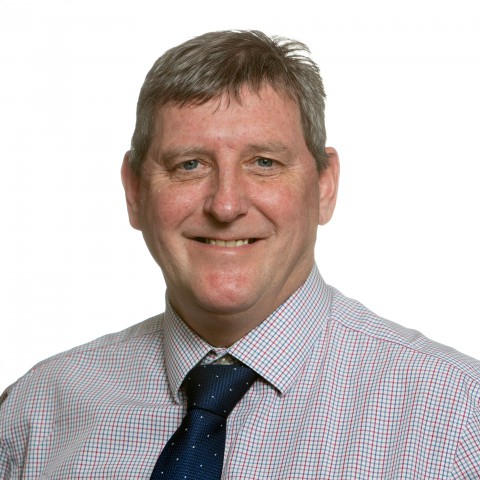
In 2018, I was appointed as the Principal Investigator to critically evaluate the £4M invested by the AFCFT in their Tackling Serious Stress project, which progressed into the One is Too Many programme to reduce veteran suicides. These community-based projects incorporated social prescribing, respite care, employment support, crisis intervention with case management delivery from clinical personnel, psychosocial teams and peers. To measure the impact, I led the anonymous and confidential independent research, with engagement with participants built on clear and consistent communication within a close working relationship.
These programmes recognised that veterans often mistrusted official services, and were sensitive to factors such as potential legal implications of disclosing substance abuse. Subsequently, potential veteran beneficiaries may hide their symptoms and were reluctant to seek support. Measures to address these challenges included the option to enter programmes through multiple routes, including self-referrals. Importantly there was recognition that a mental health problem for one member of a family had a ripple effect onto other relatives. Therefore, the AFCFT projects adopted the principle that stress and associated mental and physical health problems affect the whole family. Recovery requires resilience in the entire family system, and appropriate interventions require an environment that values leadership and tackles stigma.
Veterans also needed motivating to engage in the research process by completing surveys, interviews and focus groups. In the aforementioned programmes, participant engagement was extremely high, which in part was a reflection of a research team that was predominately comprised of veterans and armed forces family members. Their understanding of military language and abbreviations offered a layer of credibility, further fuelled by regular engagement with grant holders and beneficiaries.
Representing veterans’ voices is a key part of the research process and embracing lived experience whilst utilising peer researchers brings rich rewards. The study team can ensure governance through adhering to research ethical principles and providing peer researchers with training and supervision. This ensures data accuracy, protection and confidentiality from the point of creation through all stages in its existence. Measuring participants’ user satisfaction and their complaints helps inform service quality information. Moving forward, the voices of beneficiaries should play a key part in setting the research protocol, performance indicators, and being involved in all aspects of the research.
To actively improve service provision, the evaluation results should be shared as they emerge, providing grant holders with clear indications of what is actively working and information to redress problems. This engagement provides a platform for building lasting partnerships and collaborations with leading authorities and organisations, governmental agencies, professional bodies, charities, business and appropriate networks.
Health Economics
Embedding cost–benefit analysis to model the economic returns that could be expected in different payback timescale remains highly advantageous. This provides information on how the expenditure was successful in areas such as improving physical health, mental health and well-being, whilst supporting veterans and their families back into employment, and assisting the interface with social care. Then clear and consistent use of validated and reliable psychometric questionnaires establish feasibility and sustainability, and combined can help determine extra financial value measured by health, environmental and social outcomes, relative to the resources invested.
Future research
Armed forces community research must recognise the requirement to operate in a sustainable environment and be cognisant to the dynamic structure and changes in military service including the future battlefield. Flexibility is required to adopt technological advances whilst embracing Artificial Intelligence. Advancing online data collection such as utilising QR codes helps many participants engage with study questionnaires, although there remains a requirement to demonstrate a clear insight into the literacy levels and abilities of the population being supported.
Emerging research results comparing NHS and Census data provides an empirical insight into where veterans experience increased physical and mental health morbidity1, and sources such as MONARCH2 (The Map of Need Aggregation and Research Study) can intelligently help shape future projects. This is further enhanced by recommendations from completed reports that provide bespoke markers for what has worked and where improvements are required. Then awareness of under-researched areas such as the role of carers provides a platform for future projects, whilst being mindful of similar international projects and associated research. Longitudinal studies, where data is collected on beneficiaries after they have left a programme, provide repeated observations identifying improvement/deterioration over time and remain highly desirable.
Conclusion
Research must place an emphasis on generality and sustainability to reliably inform policy and highlight success, efficiency, safety, cost effectiveness and markers for future development.